Gum Disease and Dementia
Gum disease, also known as periodontal disease, affects 20% to 50% of older adults (1). A build-up of dental plaque causes an infection on the gums, leading to periodontal disease. …
Sam B.
23rd Jul 26
4 min read
On this Page:
1. What is Gum Disease?
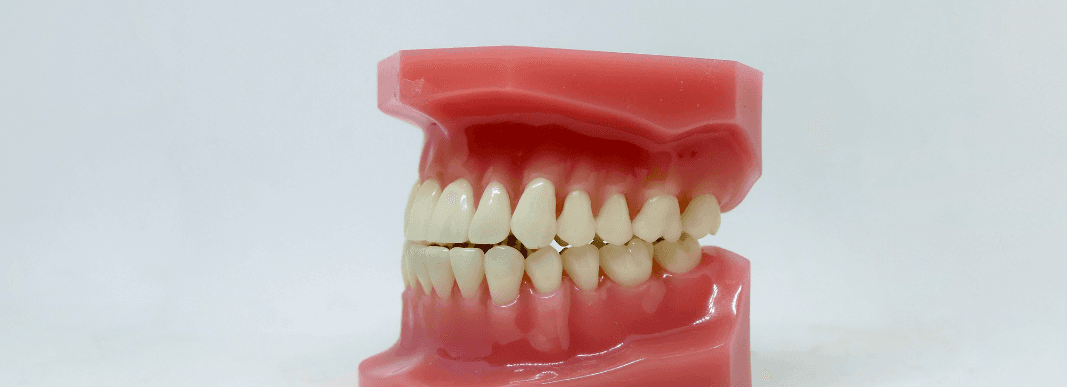
Gum disease, also known as periodontal disease, affects 20% to 50% of older adults (1). A build-up of dental plaque causes an infection on the gums, leading to periodontal disease. Dental plaque is bacteria. When dental plaque hardens, it becomes tartar, making it harder to clean. (2)
An important context to note is that more than 700 different species of microorganisms (bacteria and yeast) live in healthy mouths. Achieving a bacteria-free mouth is not the goal here. The terms "oral microbiota," "oral microflora," or "oral microbiome" all refer to the community of bacteria and yeast living in the mouth, collectively known as the oral microbiome. These organisms help maintain the salivary and gum “oral ecosystem”, which contributes to a healthy mouth (3).
While most bacteria and yeast in the oral microbiome are harmless, some have the potential to cause opportunistic infections if the balance of the ecosystem they inhabit is disrupted (3). Gum disease symptoms include swollen, red, or bleeding gums; receding gums; pain when chewing; loose teeth; bad breath; bone loss; and tooth loss (2). Gum disease (periodontal disease) is the most common cause of tooth loss in adults (4). The earliest stage of gum disease is Gingivitis. At this stage, bone loss has not occurred. Gingivitis is reversible.
Once bone loss has occurred, Gingivitis can progress to periodontal disease, which is not reversible but manageable. Lost bone cannot be regenerated, due to current-day technological limitations; therefore, periodontal disease is technically not reversible. However, it is manageable, as more bone loss and more severe symptoms, such as tooth loss, can be prevented (5).
Possible triggers which disrupt the healthy balance of the bacteria and yeast in our mouths could be smoking, poor oral hygiene (5), changes in diet, use of steroids, lowered immune system e.g. due to another infection (3), autoimmune diseases, hormonal changes, genetics, diabetes, heart disease, and having long term repeated exposure through saliva (i.e. kissing) with someone who has gum disease. All of these triggers increase susceptibility to gum disease (5).
Opportunistic infections can develop when the balance within the oral microbiome is disturbed. One of these opportunistic infections is gum disease (periodontitis); other infections, such as root canal infections, tooth decay, and yeast infections (e.g., candidiasis), can also develop, depending on how exactly that balance is disrupted (3).
2. What is Dementia?
Dementia is an age-related condition involving a decline in brain function. Symptoms of dementia include problems with: memory, mental sharpness, language, speech, mood, judgement and movement. (6) Dementia is quite common (1); The WHO (World Health Organisation) estimates that 5%-8% of people aged over 60 worldwide have dementia (7).
There are several different types of dementia, including:
- • All-cause dementia (ACD) (7)
- • Alzheimer’s disease (AD) (7)
- • Vascular dementia (VD) (7)
3. What’s the link between Gum Disease and Dementia?
Scientific studies have explored a long-suspected link between gum disease and dementia, and many have established a link. In terms of putting numbers on the link and establishing direct causation, rather than association, opinions differ. However, there is considerable evidence.
One theory suggesting a direct link proposes that the protein structures known as Beta amyloid plaques, found in the brains of people with Alzheimer’s, are formed in response to the presence of bacteria and viruses in the brain. A long-standing theory suggests that the formation of these proteins is part of an immune response that protects the brain. However, the buildup of these proteins over time harms brain health, leading to Alzheimer’s (1). For example, studies have found dementia related proteins interact with herpes virus proteins and protect the brain from infection (8)
One study, which examined the association between gum disease and dementia, involved 40,000 middle-aged British participants (average age 55), split evenly between men and women, and took place over 4 years (9). The study examined white matter hyperintensities (WMHs). WHMs are areas that appear more brightly (intensely) as white than expected for a healthy brain when scanned using two types of scanning techniques, FLAIR and MRI (10). WMH is an established risk factor for later developing stroke and dementia (9). Cognitive decline and Alzheimer’s disease are both associated with WHMs (10). The study found that genetically determined poor oral health was associated with a 30% increase in WMH volume, and generally poor oral health was associated with a 10% increase in WMH (9). The study results suggest oral health could be an area for “very early intervention” to improve brain health (9).
Another study with 6,000 participants over 26 years explored a possible relationship between 19 oral bacteria and dementia or Alzheimer’s diagnosis. Out of the 19 explored, Porphyromonas gingivalis, P.gingivalis, was the most commonly associated with gum disease (1).
4. What can you do about Gum Disease?
Preventative measures include brushing twice or three times a day with fluoride toothpaste, flossing once a day, having regular dental professional cleanings, and quitting smoking (2). Dietary habits and overall general health impact the oral microbiome (3). Therefore, maintaining healthy nutritional habits that support a balanced oral microbiome and promoting good overall health can help prevent gum disease.
Treatments for periodontal disease, aka gum disease, require professional intervention and include:
- • Visits to a dentist or dental hygienist to remove tartar, which can’t be removed at home generally (2).
- • Plaque removal from areas where a toothbrush and floss may not reach is achieved through scaling and root planing, sometimes referred to as "deep clean". Scaling and root planing is similar to regular cleaning but with a deeper cleaning effect (5). This method may be combined with the use of oral probiotics (11).
- • Pocket reduction surgery (5).
- • LANAP (laser-assisted new attachment procedure) is a less invasive alternative to pocket reduction surgery, which is also newer and generally more expensive (5).
- • Bone grafting: to replace lost bone (5).
- • Gum grafting: to replace lost gum (5).
- • Tissue regeneration measures:
- • Platelet-rich fibrin (PRF) and platelet-rich plasma (PRP)(5).
- • Guided tissue regeneration (GTR) (5).
REFERENCES:
[1] M.A. Beydoun, H.A. Beydoun, S .Hossain, Z.W. El-Hajj, J. Weiss, A.B. Zonderman, ‘Clinical and Bacterial Markers of Periodontitis and Their Association with Incident All-Cause and Alzheimer's Disease Dementia in a Large National Survey’, J Alzheimer’s Dis, vol. 75, no. 1, 2020
[2] https://www.nidcr.nih.gov/health-info/gum-disease (accessed: 6th Feb 2025)
[3] P.Chugh, R.Dutt, A.Sharma, N.Bhaga, M.S.Dhar, ‘A critical appraisal of the effects of probiotics on oral health’, Journal of Functional Foods, vol 70,2020.
[4] https://www.nidcr.nih.gov/research/data-statistics/periodontal-disease#:~:text=Periodontal%20disease%20is%20the%20most,remain%20in%20some%20population%20groups. (accessed: 8th Feb 2025)
[5] https://my.clevelandclinic.org/health/diseases/21482-gum-periodontal-disease (accessed: 6th Feb 2025)
[6] https://www.nhs.uk/conditions/dementia/about-dementia/what-is-dementia/ (accessed: 8th Feb 2025)
[7] S.Yuan, Y.Ling, X.Huang, S.Tan, W.Li, A.Xu, Jun Lyu, ‘Associations between the use of common nonsteroidal anti-inflammatory drugs, genetic susceptibility and dementia in participants with chronic pain: A prospective study based on 194,758 participants from the UK Biobank ’, Journal of Psychiatric Research, vol. 169, no. 1, 2024.
[8] A.E. William, D.K.V.Kumar, N.K.N.Shanmugam, A.S.Rodriguez, T.Mitchell, K.J. Washicosky, B.György, X.O. Breakefield, R.E. Tanzi, R.D. Moir, ‘Alzheimer’s Disease-Associated β-Amyloid Is Rapidly Seeded by Herpesviridae to Protect against Brain Infection’, Neuron, vol. 99, no. 1, 2018.
[9] C.A. Rivier, D.B. Renedo , A. Havenon , N.A.Sunmonu, T. M. Gill, S. Payabvash, K. N. Sheth, G. J. Falcone, ‘Association of Poor Oral Health With Neuroimaging Markers of White Matter Injury in Middle-Aged Participants in the UK Biobank’, Neurology, vol. 102, no. 2, 2023
[10] M.A. Tubi MA, F.W. Feingold, D.Kothapalli, E.T.Hare, K.S.King, P.M.Thompson, M.N.Braskie, ‘Alzheimer’s Disease Neuroimaging Initiative. White matter hyperintensities and their relationship to cognition: Effects of segmentation algorithm’, Neuroimage, vol. 1, no. 206, 2019
[11] https://bmcoralhealth.biomedcentral.com/articles/10.1186/s12903-024-05027-6(accessed: 6th Feb 2025)
About the Author:
Sam B. holds a BSc in Biomedical Sciences and writes evidence-based reviews of scientific literature. The articles summarise and critically evaluate published research for educational and informational purposes. They are intended to improve public understanding of scientific evidence and should not be considered a substitute for professional medical, psychological or therapeutic advice.